

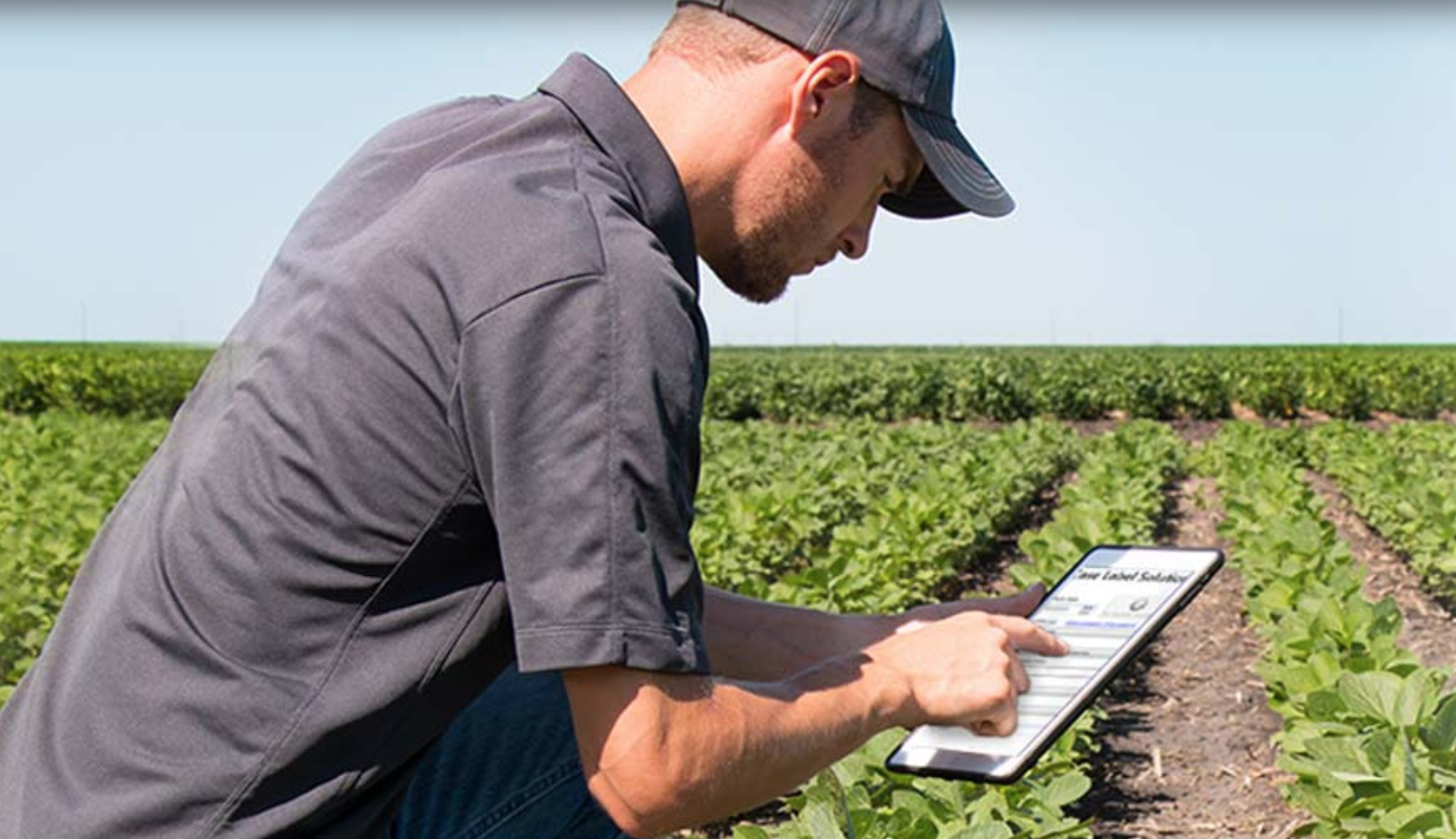
1. PathSpot’s PowerTemp
PathSpot’s PowerTemp is an innovative solution that revolutionizes temperature monitoring in food establishments. With its automated control system, it eliminates the need for manual temperature checks and ensures consistent adherence to food safety standards.
How It Works
The PowerTemp solution utilizes IoT-enabled sensors to continuously monitor temperatures in food storage and preparation areas. These sensors are strategically placed in refrigeration units and cooking stations, allowing for comprehensive coverage.
Whenever a temperature deviation occurs, such as a rise above the recommended threshold, the system immediately sends mobile notifications to managers. This instant alert feature empowers them to take prompt action and rectify the situation before any potential food safety issues arise.
Key Features
PathSpot’s PowerTemp offers several key features that set it apart from traditional temperature monitoring solutions methods:
- Real-time Monitoring: The system provides live updates on temperatures across multiple locations, ensuring constant visibility and control.
- Automated Data Logging: Gone are the days of manually recording temperatures on sheets or spreadsheets. PowerTemp automatically logs all temperature data, saving time and reducing human error.
- Predictive Alerts: In addition to notifying managers of current temperature violations, the system also predicts potential equipment failures based on historical data patterns. This proactive approach allows for timely maintenance and prevents costly breakdowns.
- Cloud-based Dashboard: The platform offers a user-friendly dashboard accessible from any device with internet connectivity. This means managers can remotely monitor temperatures, review reports, and manage compliance tasks even when they’re not physically present in the establishment.
Integration with Compliance Management Tools
One of the standout features of PathSpot’s PowerTemp is its seamless integration with existing compliance management tools. Many food businesses already use software solutions to track their health and safety practices, such as Hazard Analysis Critical Control Point (HACCP) programs.
With this integration, PowerTemp automatically generates HACCP-compliant reports based on the temperature data it collects. These reports satisfy health inspections and provide evidence of due diligence in maintaining food safety standards.
By eliminating manual report generation and reducing reporting time by up to 75%, this integration frees up valuable hours for kitchen staff who can now dedicate more time to food preparation rather than paperwork.
Proven Results
Restaurants that have implemented PathSpot’s PowerTemp have reported significant time savings and improved operational efficiency:
- 2-3 hours saved daily: On average, restaurants using PowerTemp save two to three hours each day on temperature documentation alone.
- Enhanced focus on food preparation: With less time spent on administrative tasks, kitchen staff can concentrate on what they do best – preparing delicious meals.
- Increased compliance confidence: The automated reporting feature gives restaurant owners peace of mind knowing that their health inspections will go smoothly without any surprises.
In conclusion, PathSpot’s PowerTemp is an innovative solution that combines technology with convenience to streamline temperature monitoring processes in the food industry. By eliminating manual checks, reducing paperwork burden, and providing real-time insights into operations, it empowers businesses to uphold stringent food safety standards while optimizing resources effectively.
2. Sonicu’s Remote Platforms
What makes Sonicu’s Remote Platforms stand out among top temperature monitoring solutions? Sonicu offers cloud-based monitoring that tracks temperature, humidity, and other environmental conditions in multiple locations at the same time. The system uses wireless sensors that send data every 60 seconds, giving real-time visibility into storage conditions without the need for staff to do manual checks.
The platform’s automated control systems eliminate the need for labor-intensive temperature logging by automatically generating compliance reports. When conditions go beyond set limits, instant alerts are sent to designated personnel via text, email, or phone call, allowing immediate action to be taken before food safety risks increase.
Scalability is Sonicu’s competitive advantage. Small restaurants can start with basic monitoring for a single walk-in cooler, while large healthcare facilities and food manufacturers use hundreds of sensors across large campuses. The compliance management software can adapt to different regulatory requirements, such as HACCP protocols in food service or Joint Commission standards in healthcare settings, making it versatile for various business sizes and operational environments.

3. TempAlert’s Wireless Temperature Monitoring System
What makes TempAlert’s system stand out among top temperature monitoring solutions? TempAlert’s Wireless Temperature Monitoring System delivers continuous, real-time tracking through battery-powered sensors that eliminate wiring costs and installation complexity. The system monitors refrigerators, freezers, and storage areas 24/7, sending instant alerts via text, email, or phone call when temperatures drift outside preset parameters.
The platform reduces labour costs by automating temperature checks that traditionally consume 2-3 hours of staff time daily. Employees receive immediate notifications on mobile devices, enabling quick responses without constant manual monitoring rounds.
How does TempAlert integrate with compliance management software? The system automatically generates digital temperature logs that sync with compliance management tools, creating audit-ready reports for health inspections. This integration eliminates manual data entry and paper-based record-keeping, cutting administrative time by up to 70% while ensuring HACCP compliance. Cloud-based dashboards provide instant access to historical data across multiple locations, simplifying regulatory documentation for multi-site operations.
4. LogTag Recorders’ Temperature Logger
What makes LogTag Recorders’ Temperature Logger stand out among top temperature monitoring solutions? LogTag Recorders offers portable, battery-powered data loggers that continuously track and record temperature conditions throughout the cold chain. These compact devices eliminate manual logging by automatically capturing temperature data at preset intervals, reducing labour costs while ensuring comprehensive documentation for compliance audits.
The solution’s scalability allows businesses to deploy single units for small operations or hundreds of loggers across multiple facilities. LogTag’s devices work independently without requiring complex infrastructure, making them ideal for food manufacturers, distributors, and restaurants of any size. The USB-downloadable data integrates seamlessly with compliance management software, transforming raw temperature readings into audit-ready reports that satisfy HACCP and food safety regulations without additional staff time investment.
5. Comark’s Wi-Fi Temperature Probe
What makes Comark’s Wi-Fi Temperature Probe stand out among top temperature monitoring solutions? Comark’s Wi-Fi Temperature Probe offers wireless temperature tracking with cloud-based data access, eliminating the need for manual logging and allowing staff to monitor multiple locations from any device. The probe connects directly to existing Wi-Fi networks, sending real-time temperature readings to a central dashboard where managers can view trends, receive instant alerts for temperature changes, and generate compliance reports automatically.
The system works smoothly with compliance management software, automatically filling in HACCP logs and regulatory documentation without manual data entry. This integration reduces administrative work by up to 75% compared to traditional paper-based systems while ensuring audit-ready records are always accessible. Comark’s solution supports multiple probe configurations for refrigerators, freezers, and hot holding equipment, making it flexible for restaurants, catering operations, and food retail environments of different sizes.
6. DeltaTrak’s Cold Chain Management System
What makes DeltaTrak’s solution effective for comprehensive cold chain monitoring?
DeltaTrak’s Cold Chain Management System delivers end-to-end temperature visibility through wireless sensors and cloud-based analytics. The platform automatically logs temperature data from multiple locations—refrigerators, freezers, transport vehicles, and storage facilities—eliminating manual recording tasks that consume staff time. Real-time alerts notify managers instantly when temperatures drift outside safe parameters, enabling quick intervention to prevent spoilage and maintain food safety standards.
How does the system adapt to different operational scales?
The solution scales seamlessly from single-location restaurants to multi-site food manufacturing operations. Businesses can deploy sensors across various environments including walk-in coolers, display cases, and delivery trucks. The centralized dashboard consolidates data from all monitoring points, providing comprehensive oversight whether managing three refrigeration units or three hundred. This flexibility makes DeltaTrak’s Cold Chain Management System one of the top temperature monitoring solutions for organizations seeking automated control systems that grow with their operations while reducing labour costs through streamlined monitoring processes.
Moreover, the integration of digitalization in a cold supply chain is pivotal. By adopting advanced technologies, businesses can further enhance their operational efficiency and ensure product quality throughout the supply chain.
7. T&D Corporation’s RTR-500 Series Data Loggers
What makes T&D Corporation’s RTR-500 Series stand out among top temperature monitoring solutions? This wireless data logging system delivers precision monitoring with minimal staff intervention, featuring cloud-based data access and multi-point monitoring capabilities that track temperatures across multiple locations simultaneously.
The RTR-500 Series reduces labour costs by eliminating manual temperature checks and automating data collection through its wireless sensor network. Staff receive instant alerts when temperatures drift outside preset ranges, enabling quick corrective action before food safety issues develop. The system’s automated control systems work continuously without requiring constant human oversight.
Key features that enhance operational efficiency:
- Real-time temperature tracking with customizable alert thresholds
- Cloud-based data storage accessible from any device
- Automated report generation for regulatory compliance
- Battery-powered sensors requiring minimal maintenance
- Support for multiple sensor types (temperature, humidity, CO2)
Integration with compliance management software transforms raw temperature data into audit-ready reports. The system automatically generates documentation that satisfies HACCP requirements, saving hours previously spent on manual record-keeping and reducing the administrative burden on food safety managers.

How Do These Solutions Deliver Additional Benefits Beyond Safety And Labour Savings?
Modern temperature monitoring systems create value that extends far beyond basic compliance and workforce efficiency. These platforms unlock operational advantages that directly impact profitability, environmental performance, and market positioning.
1. Reducing Food Spoilage
Intelligent early warning systems make it possible to reduce food spoilage. When sensors detect temperature changes before they become critical, staff can take immediate action—moving products, adjusting equipment, or starting repairs. This proactive approach stops entire batches from becoming unsellable. For example, a restaurant chain using automated monitoring might save thousands of dollars every month by catching a failing compressor before it spoils the contents of a walk-in cooler. The data logs also help identify patterns in equipment performance, enabling preventive maintenance that stops failures before they happen.
2. Optimizing Energy Use
The precise data generated by these systems leads to energy optimization. Traditional refrigeration units often operate on fixed cycles regardless of actual cooling needs. Smart monitoring solutions analyze temperature trends and ambient conditions to recommend optimal compressor run times. Some advanced platforms integrate directly with HVAC controls to adjust cooling intensity based on real-time requirements instead of preset schedules. This data-driven approach typically reduces energy consumption by 15-25%, resulting in significant utility cost savings while supporting sustainability initiatives.
3. Strengthening Brand Reputation
When businesses demonstrate verifiable food safety commitments, their brand reputation strengthens. Automated monitoring systems create audit trails that prove consistent temperature control to health inspectors, insurance providers, and increasingly conscious consumers. Companies can highlight their technology investments in marketing materials and sustainability reports. Obtaining and maintaining third-party certifications becomes easier with comprehensive digital records. For businesses serving vulnerable populations—hospitals, schools, senior care facilities—this documented reliability becomes a competitive advantage that builds trust and loyalty among stakeholders who prioritize safety above all else.
Conclusion
The Top 7 Temperature Monitoring Solutions That Improve Food Safety and Reduce Labour Costs are a major advancement in digital transformation in food safety. These technologies provide measurable financial benefits by reducing manual monitoring time by up to 75% and preventing expensive product losses that can amount to thousands of dollars per incident.
Businesses that invest in automated temperature monitoring experience immediate improvements in operational efficiency. Staff can now focus on revenue-generating activities instead of spending hours on manual checks. Automated data logging eliminates compliance paperwork, and early-warning alerts prevent spoilage before it affects inventory.
The food industry is under increasing pressure to meet stricter safety standards while keeping costs down. Traditional manual methods cannot compete with the accuracy, speed, and reliability of modern monitoring systems. By adopting these solutions, organizations can stay ahead of regulatory changes and build customer trust through transparent safety practices.
The question is not whether to adopt advanced monitoring technologies, but rather which solution best fits your operational needs and budget constraints.
Click here for more Food Compliance Software That Helps Food Businesses Prevent Violations Before They Happen